
Copyright Disclaimer: under section 107 of the Copyright Act of 1976, allowance is made for “fair use” for purposes such as criticism, comment, news reporting, teaching, scholarship, education, and research. This project is a proof-of-concept, and as such does not represent nor infringe on the creator(s) in any way.
Introduction
The Wizarding World (previously known as J. K. Rowling’s Wizarding World) is a fantasy media franchise and shared fictional universe centered on the Harry Potter novel series by J. K. Rowling. The series of books have been translated into 80 languages and half a billion copies were sold worldwide in 2018. The total box office of the movies took in 7.7 billion dollars across the globe.
Despite this global appeal, the official website of The Wizarding World remains surprisingly monolingual! Localizing the website into more languages allows global fans from different linguistic backgrounds to engage with the content in their native languages. This can significantly increase the website’s user base and overall reach. In this case study, we delve into the intricacies of the website’s localization, exploring the potential benefits of multilingual support and questioning the reasons behind its current linguistic limitations.
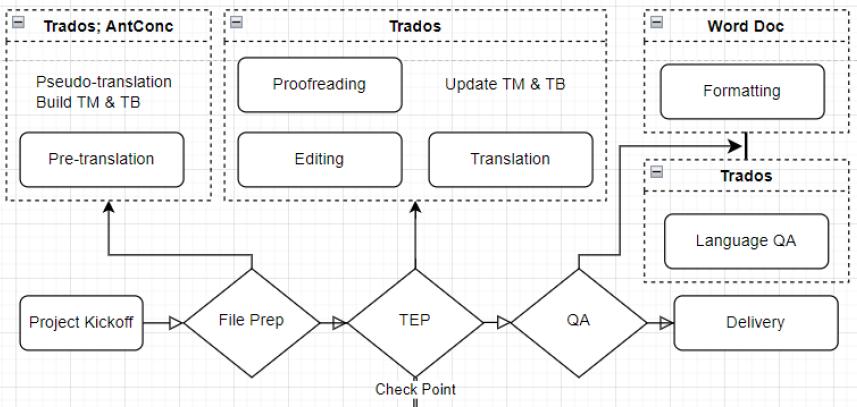
Workflow Overview
Timeline
Set up a preliminary timeline for this project.
Website Analysis
Wizarding World serves as a central hub for fans of the Harry Potter franchise, providing a digital platform to explore and engage with the magical universe in various ways. The website offers a range of content, including exclusive writings by J.K. Rowling, insights into the characters and settings, quizzes, and interactive experiences designed to immerse visitors in the magical world.

Visitors to the Wizarding World website can access information about the four Hogwarts houses, discover their Patronus, explore the history of magic, and dive into additional details that enhance the overall Harry Potter experience. Additionally, the website has features that allow users to engage with the community, participate in discussions, and connect with fellow fans from around the world.
According to the traffic analysis by Similarweb, the top three non-English regions are Brazil, Japan and France, making up more than ten percent of the total traffic and there are a lot of room for growth. By adding at least Brazilian Portuguese, Japanese and French, the website can provide a better fan experience by tailoring content and design to match local expectations.

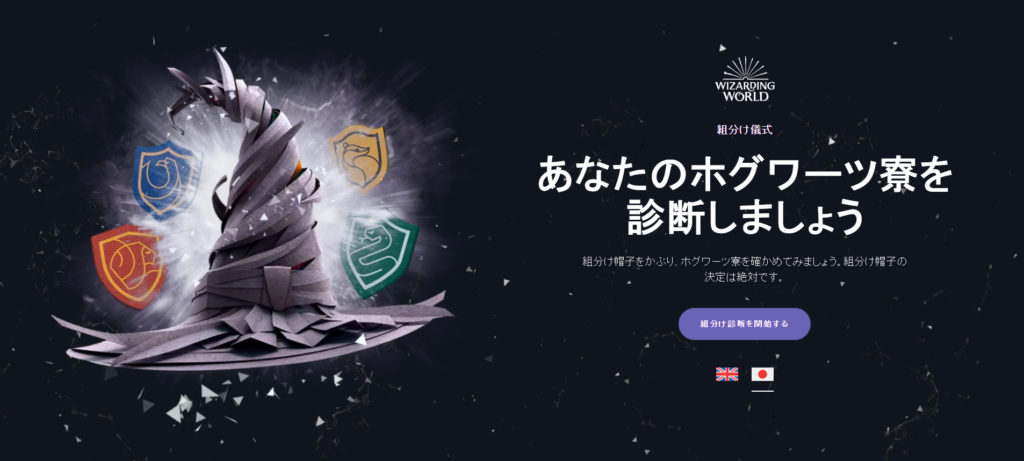
By the time I studied this case, I noticed that one single language switcher (Japanese) was added to a popular subpage – The Sorting Ceremony. This marked its first baby step of localizing the website into multiple languages. Fun fact, the United Kingdom is consistently ranked among the top ten countries in “Countries to Visit” rankings conducted by travel agencies and other organizations for Japanese people.
Any localized content would resonate better with fans, leading to increased engagement and higher conversion rates. When fans can easily understand and relate to the content, they are more likely to take desired actions, such as making a purchase on the franchise items. Multilingual version of The Wizarding World is essential for effective global marketing as well. It enables the client to customize their marketing messages to different regions, considering cultural nuances, preferences, and market trends.
Clone the Website
Compared to recreating the website from scratch on WordPress, using a website cloning tool like HTTrack is much more easier than borrowing contents nib by nib from The Wizarding World.

After downloading and installing the software, we can simply copy and paste the URL and HTTrack will begin to crawl and copy the website automatically, which will then be hosted on my local machine. This process may take a while, depending on the size of the file. The Wizarding World is a complicate websites with a lot of subpages. So it’s best to choose one simple subpage for the purpose of displaying.

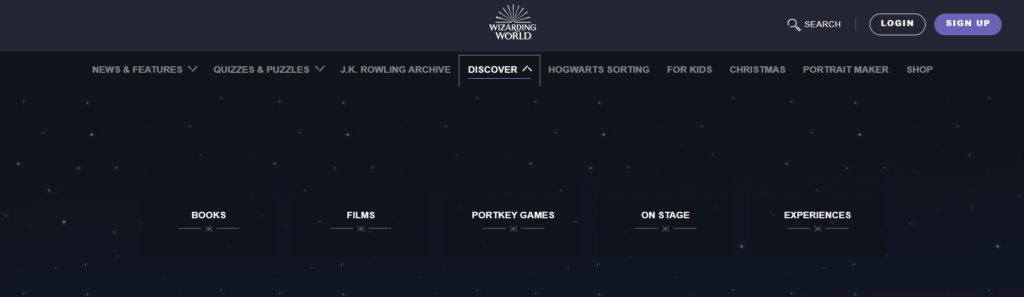
Below screenshot is the cloned website subpage. You can see there are a few pictures missing, but the structure, design and layout, especially color scheme and fonts, are identical to the original site.
Proxy Translation & Demos
We propose to use a solution called Proxy Translation to calculate the word count to estimate translation cost and also create demos of respective languages to showcase the localization output in the process.
Weglot is a platform designed to make it easier for website owners and developers to translate and manage the content of their websites into multiple languages. It provides a simple and efficient way to create a multilingual website without the need for extensive coding or manual translation efforts.
Weglot typically works by integrating into the website through a plugin or adding a code snippet. Once integrated, it automatically detects and translates the website content into the languages of client’s choice. It also offers a user-friendly interface for managing translations, allowing users to edit or customize translations as needed.
Compared to what we used to do for website localization (WPML, Crowdin, etc.), proxy solution is much more intuitive. It takes less time and even the strings that are more complicated to localize can be easily dealt with. This is particularly handy for managers without technical background and suitable for websites that won’t change too much over time. The Wizarding World is one of those websites.
Work Consulted
https://en.wikipedia.org/wiki/Harry_Potter
https://www.elegantthemes.com/blog/wordpress/weglot-plugin-wordpress
https://verpex.com/blog/website-tips/how-to-make-a-duplicate-website